Tuesday, November 19, 2024

How to Keep Indoor Cats Active and Healthy


Indoor cats can lead long, healthy lives and are wonderful companions. While many cats feel comfortable living their lives inside, it’s important to note that without the natural stimulation of the outdoors, they may become bored or inactive, and you may not even know it’s happening. Maintaining your cat's physical and mental well-being is essential for their happiness and keeping your indoor cat active and healthy is an important part of keeping them happy. Keep reading for tips on how to instill an active and healthy lifestyle for your indoor cat.

Create vertical spaces in your home

Everyone who has ever owned a cat knows that cats love to climb and perch on high places, watching the world from above. Encouraging this type of behavior with cat trees, shelves, or even window perches give them plenty of indoor opportunities to jump, climb, and survey their surroundings. If you’re able, try and position one of these perches near a window to give them a spot for endless entertainment watching birds or squirrels outside. By enticing them to use these vertical spaces, you encourage movement and stimulation that might even become part of their daily routine.

Provide toys to play with and engage in playtime

As a pet owner, investing in a variety of toys can not only be a fun way for you to spoil your fur babies, but it is also a great way to encourage interaction. Since cats love to hunt, pounce, and chase, there are a few specific toys you may want to include in your bin of kitty toys at home. Interactive toys like feather wands or laser pointers are great for active play between you and your cat. Puzzle feeders challenge their minds and simulate hunting. Kick toys allow them to practice their natural bunny-kick motion. 

Make sure to have a variety of toys at home and rotate them regularly to keep things exciting and prevent boredom. It’s also important that you make it a habit to play with your cat every day. Even 10-15 minutes a few times a day can help keep them active and mentally sharp and it’s a great opportunity for you to bond.

Implement and maintain a healthy diet

Eating healthy food that is the appropriate amount for the weight, age, and breed of your cat is essential for keeping them active. Since overweight cats are less likely to play, you’ll want to make sure they are having a balanced diet that prioritizes nutrition. If you’re not sure the best food or portion size to give them, make sure to consult your veterinarian.

Tips to improve your cat’s health

The AVMA suggests that you work with your veterinarian to make an honest assessment of your pet’s health and weight. From setting goals and adjusting food to cutting back on treats and making exercise fun and a priority, there are plenty of things you can do to help get your cat’s health back on track. With a personalized plan in place, you should continue to monitor progress and make any adjustments necessary so you can focus on what matters: your pet’s good health and long life.

Try one of the tips above and watch your cat’s energy and joy soar. If you have concerns about your cat’s activity level or health, schedule an appointment at Bregman Veterinary Group, by clicking here to get started and work with a veterinarian to create a tailored wellness plan.

Tuesday, October 15, 2024

The Importance of Regular Dental Care for Pets


As pet owners, we want what’s best for our furry best friends and providing nutritious food, engaging in regular exercise, and scheduling routine checkups are part of a well-balanced plan to help give them the healthiest lives possible. While annual appointments with the veterinarian are often part of every pet owner plan, dental care is often overlooked. If your pet experiences dental problems, it can lead to serious health issues if left untreated. Keep reading to learn some reasons why dental care is crucial for pets.

Helps to prevent gum disease and tooth loss

Similar to how we as humans require routine dental care, pets are prone to many of the same dental problems. Without proper dental hygiene, these issues can lead to gum disease and even tooth loss, both of which can be difficult to manage and painful for your pet. Plaque builds up on teeth and hardens into tartar if left untreated. If this is not taken care of, gums can become irritated leading to gingivitis or periodontitis.

Periodontal disease is the most common dental condition in dogs and cats. In fact, by the time your pet is three years old, they will likely have some early evidence of periodontal disease. The best way to avoid these common dental problems is through regular dental care with brushing as well as by scheduling regular professional cleanings to help prevent the buildup of plaque and tartar.

Reduce bad breath

Chronic bad breath can be a sign of underlying dental issues and it’s important to be aware of the difference between a few instances of bad breath and consistent foul odors coming from your pet’s mouth. Just like brushing and regular dental checkups can help prevent gum disease and tooth loss, they can also reduce bad breath. This not only makes cuddles more pleasant for you and your pooch but also helps to prevent diseases caused by bacteria and plaque buildup.

Helps to improve overall health

If you observe bad breath, broken or loose teeth, extra teeth, teeth that are discolored or covered in tartar, pain in or around the mouth, or other signs that your pet is having issues with their teeth, you should schedule a visit with your veterinarian to have your pet checked. Dental problems can lead to more than just discomfort and bacteria that is left untreated can enter the bloodstream, resulting in more than just bad breath and sore gums.

Regularly brushing your pet’s teeth is the single most effective action you can taker to keep your pet’s teeth healthy and possibly prevent most of the common oral diseases. Dental care is an important part of a pet’s overall health and in addition to brushing your pet and the AVMA advises that their gums and teeth be checked at least once a year by a veterinarian. This regular care helps to not only check for early signs of problems, but also helps keep your pet’s mouth healthy, avoiding dental problems that can lead to other serious health problems. If you have any concern about your pet’s dental or simply need to schedule an appointment at Bregman Veterinary Group, click here to get started.

Sunday, September 15, 2024

Tips for Managing Arthritis in Senior Dogs


Just like humans, pets often face health challenges similar to those that we do as they age. Arthritis is a common condition found in senior dogs that can significantly impact their quality of life. The best thing you can do as a pet owner to prepare and support your aging best friend is to educate yourself on strategies you can employ to help manage potential conditions. If you are prepared yourself, you can help ensure they remain comfortable and happy when dealing with uncomfortable conditions such as arthritis.

Encourage healthy habits

One of the best ways to help prepare your dog for aging in general is to establish healthy habits in their everyday routine. Regular exercise through daily walks is a great way to help maintain strength and as an added bonus it encourages you to be active as well. You should also evaluate their eating habits and make sure the food you are giving them is the appropriate amount and is nourishing, encouraging a healthy diet. For any questions regarding diet, you should consult a veterinarian who can help you identify the best plan forward.

Establish a comfortable environment

To help make sure your home is comfortable for your dog, you may want to invest in comfortable, well-padded dog beds and place them strategically throughout your home. Ideally you would have these housed in rooms you know your dog already loves to spend time in like your living room and bedroom. If your pup is diagnosed with arthritis or shows any signs of discomfort going up and down stairs it could be time to identify ways to make their lives easier and find ways to make their traditional comforts more accessible.

Keep an eye out for signs of arthritis and consult your vet

According to the American Kennel Club, there are a few clear signs of arthritis in dogs which include:

  • Difficulty or reluctance to stand from a lying position
  • Difficulty going up stairs or jumping onto a bed or couch
  • Taking a narrow stance in the rear limbs
  • Wasting away of muscles in the rear limbs
If you happen to notice any of these symptoms, it’s important that you take your dog to the veterinarian to get a proper diagnosis and plan. Your vet will conduct a physical examination, discuss symptoms with you and help you identify ways to manage pain and treat this condition.

Make sure you have a plan for managing pain

Pain relief is crucial with arthritis, and there’s no reason any dog should have to endure arthritis-related aches and pains. Your veterinarian can prescribe medications to treat arthritis in order to help manage pain due to arthritis. Pain relief is also essential to keep your old dog moving as he ages, and arthritis can become even more pronounced if he avoids exercise altogether due to discomfort. Even though a diagnosis like arthritis can feel very overwhelming and scary, there are many methods and strategies available to help your pup and manage their pain.

The AVMA suggests scheduling regular veterinary examinations in order to detect problems in older pets, before those problems become serious or life-threatening. If you follow this suggestion and take the proper care of your pup, you can help encourage and support a longer, healthier life for your pet. If you have any concern about your pup potentially having arthritis or simply need to schedule an appointment at Bregman Veterinary Group, click here to get started.

Thursday, August 15, 2024

How to Prepare Your Pet for a Visit to the Vet


Regular visits to the vet are important for your pet’s health and wellness. Similar to how going to the doctor can be a stressful endeavor for us, visits to the veterinarian can be nerve-wracking for pets. To help avoid this and encourage a smooth, stress-free experience, all you need to do is prepare in advance. Whether you’re going for a routine annual check-up or something more urgent, here are some ways to prepare your pet for their upcoming visit.

Work on socializing your pet

Some animals are fearful of the vet because they are shy or uncomfortable around new people and rarely interact with others outside of your household. When you put a pet like this into a situation that is out of their comfort zone and they are being handled by strangers, it can result in aggressive, out of the ordinary behavior. The best way to help avoid this is to socialize your pet by introducing them to new people and situations when you can. Through these interactions they can learn to be more comfortable and trusting around strangers and in turn it helps curb potential aggressive interactions.

In addition to socialization, you’ll also want to acclimate your pet to handling through touch training. If you gradually get your pet used to being handled in ways the vet might, you can help them become more comfortable with these scenarios. Practice touching and examining their paws, ears, tail, belly, and mouth so they are more familiar with these sensations when a vet does them during a visit. It’s also a good practice to include treats and praise with these practices so they learn to associate handling with rewards and make it a more positive experience for all.

Familiarize your pet with a crate

One of the most important things to do when first introducing your pet to their new home is to familiarize them with a crate. If your pet isn't already comfortable with a crate, you’ll want to introduce it well before any vet visit. To make it a comfortable space for them, leave it out at home with the door open, and place treats, toys, or a cozy blanket inside to create positive associations. Whether they will be placed in a crate for a few hours during a longer vet visit or you will use it as a carrier when driving to and from the appointment, this safe space and comfort will go a long way to easing anxiety.

Keep calm throughout the whole experience

As you may know, pets pick up on our stress, so it’s important to remain calm and positive before and during the visit. Speak in a soothing tone and avoid rushing or sudden movements to maintain a calm environment. When you’re at ease, your dog is more likely to feel the same way. Remember that you’re there for your dog’s benefit and well-being so try to stay positive even if you’re worried.


By developing positive coping skills like those mentioned above, you can help ensure a safe and pleasant experience at the vet for both you and your pet. In addition to these, the AVMA suggests minimizing distractions, arriving on time or early for your appointment, and bringing a copy of your pet’s medical records. Remember, visiting the vet doesn’t have to be a negative experience, so be sure to offer your dog reassurance during the visit. With the right preparation, patience, and understanding, your dog can develop a more positive attitude toward vet visits. To schedule an appointment at Bregman Veterinary Group, click here to get started.

Monday, July 15, 2024

Car Safety Tips When Traveling with Your Dog


Summer is the time when most families go on vacation and traveling with your dog can add to the fun. While bringing them along for a road trip seems like a relatively easy option, it’s important that you ensure their safety and comfort for the whole journey. Whether you plan to road trip across state lines or just enjoy a day trip to a local park, here are some essential safety tips to follow when traveling with your dog in the car.

Restrain your dog using a harness or seat belt


Just as you buckle up each time you get into the car, your dog should be properly and securely restrained to not only keep them safe for the ride, but to also prevent them from becoming a distraction for you during sudden stops. Whether you’re choosing a special harness that integrates with your car’s seat belt or specific seat belts designed to restrain dogs, it’s important you choose a product that keeps your pet secure for the entire ride. If you have a smaller dog breed, booster seats with harness attachments might be a better option for you.

Keep heads and paws inside the vehicle


It’s common to see dogs sticking their heads out the window when people are cruising around, but did you know this can actually be incredibly dangerous for your pup? Flying debris, sudden stops, and passing cars that get too close can all cause injury. Similar to how you wouldn’t let your child hang their arms or head outside while driving, the same rule should apply to your dog. Closed windows or slightly open windows are fine as long as heads and paws remain inside the vehicle.

Don’t allow them to stay in the vehicle alone


According to the AVMA, every year, hundreds of pets die from heat exhaustion because they are left in parked vehicles. There is no good reason to leave your dog inside a car by themselves, even for a short period of time. Even on mild days, temperatures can rise quickly inside a car, putting your dog at risk for heat stroke and cold weather can quickly turn the interior of a car frigid.

Schedule breaks throughout your trip


For longer trips, it’s important that you plan regular pit stops for your pup to stretch, get fresh air, eat, and relieve themselves, similar to how we plan these for ourselves. Since these stops are new environments close to roadways, it’s important that your dog remains on leash during these breaks.

Pack appropriate supplies


Having a travel kit for your pup for road trips can not only make the journey smoother but can also make them more comfortable and give you peace of mind you have what you need if/when you need it. A few good things to bring along include food and water (and a water bowl) for the pit stops, leash and collar with an ID tag that has your correct information, blanket or bed that is familiar, favorite toys, and waste bags.


Ensuring your dog’s safety while traveling in the car is essential for a stress-free and comfortable journey for all. If you have any concerns about your dog's travel habits or need advice on pet safety, don't hesitate to consult our team at Bregman Veterinary Group. Our veterinarians can provide personalized recommendations and ensure your dog is ready for any adventure. To schedule an appointment, click here to get started. Safe travels!

Saturday, June 15, 2024

Top Tips to Puppy-Proof Your Home


Bringing home a new puppy is an exciting adventure, especially in the summer when warm weather allows for more outdoor fun. To ensure a smooth transition for your new pup and the whole family, it's important to prepare your home in advance. Puppy-proofing is essential to prevent accidents like bathroom mishaps and chewed-up shoes. Here are some tips and tricks to help you get ready for your new furry friend.

Secure potential hazards


Much like you would approach “baby proofing” a home, “puppy-proofing” requires looking at your home from the lens of what is potentially dangerous and adjusting accordingly. First, you’ll want to make human food and cleaning supplies inaccessible to your pup by putting them high up on shelves and counters and behind closed doors.

You’ll also want to secure trash cans, keep toilet lids closed, and close doors when you’re not in the room to avoid unwanted mischief. Finally, remove poisonous houseplants and unplug electrical cords to protect your dog and your home from harm.

Set up a safe haven for your dog


Bringing a new puppy home is an exciting time for you and your family, but it can be a scary and overwhelming experience for them as their whole world changes overnight. To help your new dog adjust, it's a great idea to create a safe space they can call their own. Whether it's a quiet corner with a comfortable bed or an appropriately sized crate with cozy blankets, these retreats provide a sense of security and comfort.

Your puppy will quickly come to rely on this space for naps and breaks from all the activity, helping them feel more at ease in their new home. This dedicated area can also be a great training tool, helping you to reinforce positive behaviors and giving your puppy a consistent spot to retreat to when they need a moment of calm.

Get appropriate supplies


To help your new puppy safely acclimate to your home, you’ll want to make sure you have the right pet supplies on hand before they get there. This includes food, toys, treats, dog bed, and crate and can also include a pet gate if that works best in your home. Make sure all items are the right ones for their size and breed (i.e., dog crate should be the right size and food should be for their weight and age).

Don’t forget about your yard


If you have an outdoor space that you plan to share with your pup, it’s important that you also scan it for hazards and puppy-proof that space in advance. Some great tips include:

Fence your yard if possible (and ensure the space between the bars doesn’t leave room for unwanted escaping)


Fence or place a barrier around pools and ponds


Check landscaping for poisonous plants and remove or place a barrier around any you find


Put away cleaning supplies and electrical cords

If you are adopting a new puppy and need to schedule a veterinary appointment, our team at Bregman Veterinary Group is here to help. We make it our mission to help you determine the best course of action for your pet from the very beginning so that they can live long, healthy lives. To schedule an appointment for your new pup, click here to get started.

Monday, April 15, 2024

Why Are Dogs Considered Man’s Best Friend?


Ever heard the saying “dogs are a man’s best friend”? Dogs have earned this title time and time again over the years, and anyone who has ever had a pup in their family is likely familiar with why so many people believe in this. If you aren’t yet convinced, here are a few reasons why dogs are considered the closest and best companions for humans above all other domesticated animals.

Pups are natural protectors


Dogs have an intrinsic instinct to protect their pack and once they become a part of your family that instinct extends to you. As incredibly loyal creatures, their strong emotional bonds leave them deeply devoted to their human companions, making their instinct even stronger over time. This instinct makes dogs valuable guardians and there have been numerous examples of heroic dogs over the years making headlines for their protective instincts over their human families.


Dogs provide emotional support


When we are stressed or anxious, it’s well-known that dogs provide emotional support and are highly attentive to us and our emotional states. According to a study released by Duke University, dogs ranked closely to romantic partners and above best friends, children, parents, and siblings when their owners were asked who they turn to when feeling a variety of ways.

Dogs provide non-judgmental support in a unique way. They have also been found to reduce levels of the stress hormone cortisol, lower perceived stress in individuals, improve mood, and improve energy up to 10 hours after interactions. Pups are such supportive animals that there are about 500,000 service dogs in the United States.

Service dogs can be trained to perform many important tasks to assist people with disabilities. Some examples from the ADA include providing stability for a person who has difficulty walking, picking up items for a person who uses a wheelchair, preventing a child with autism from wandering away, and alerting a person who has hearing loss when someone or something is approaching them from behind.


There are some great health benefits of owning a dog


There have been many well-documented studies that have reported clear health benefits of living with a dog. According to Time Magazine, here are some of the top advantages:


· Links to a longer life span

· Lower risk of cardiovascular disease

· Reduces the adverse health effect of living alone

· Can decrease allergies and asthma in children

· Increases opportunities for health-beneficial socialization


Your pooch will love you unconditionally


One of the greatest reasons why dogs are considered a man’s best friend is because they provide unconditional love. Pups are always there to offer a wet nose, wagging tail, and snuggle, no matter what, which can be comforting, especially when you need it most.

With over 62 million households in the US who own a dog, it’s clear that many people across the nation have already extended their happiness and brought a pup into their family. At Bregman Veterinary Group, we make it our mission to help you determine the best course of action for your pet so that they can live long, healthy lives. To schedule an appointment for your pup, click here to get started.

Friday, March 15, 2024

Signs Your Dog Has Seasonal Allergies


Springtime is synonymous with beautiful flowers, warmer days, more sunshine, and, for some, the return of dreaded seasonal allergies. While the telltale signs that allergy season is upon us are easy to spot and treat for humans, many don’t know that seasonal allergies can affect your pup, too. Just like us, they can experience uncomfortable symptoms as well.

Have you noticed your dog scratching its coat and licking its paws more? These may be signs that they are affected by these pesky allergies. Here are a few telltale signs to keep an eye out for.


Continuous scratching and itching


One of the most common signs that your dog might suffer from seasonal allergies is constant scratching and itching. Excessive scratching, biting at paws, and rubbing their face against surfaces could be a red flag that they are having an allergic reaction. Please pay attention to any scratching and itching that is out of the ordinary or bordering on excessive, as this is often the first and most obvious sign they are dealing with an allergy.


Red, inflamed, or infected skin


Similar to how some allergic reactions cause red and inflamed skin in humans, allergic reactions in dogs can appear similarly on their skin. Look for any and all changes to their coat and skin, including redness, hot patches, rashes, and infections.


Excessive paw licking and chewing


Allergies can affect your dog’s paws, which could lead to compulsive chewing, gnawing, and licking. If you notice your pup paying more attention to their paws than usual, make sure to check for redness, signs of irritation, and swelling.


Chronic ear infections


Chronic ear infections or red, waxy ears, common for dogs prone to ear problems in the first place, could be typical allergy symptoms you may notice. Pay attention to frequent head shakes, scratches at their ears, and clear signs of discomfort around the ear area, as they may be signs of seasonal allergies.

When you notice signs of an allergic reaction, schedule an appointment with your veterinarian

The AVMA said it best; “technicians are so important when it comes to client communication as well. That’s a huge aspect of being successful with allergic pets.” Understanding the potential signs that your furry friend is suffering from seasonal allergies is crucial for their well-being and an excellent way for you to get them the help they need when they need it. To best care for your pet who is suffering from seasonal allergies or any allergic reaction in general, you’ll want to consult your veterinarian, who can help you determine the best treatment plan.

At Bregman Veterinary Group, we make it our mission to help you determine the best course of action for your pet so that they can live long, healthy lives. By being proactive, you can ensure your dog enjoys each season without the discomfort of allergies. To schedule an appointment for your pup, click here to get started.

Thursday, February 1, 2024

Health Benefits of Adopting a Dog


Ever heard the saying “dogs are a man’s best friend”? If you’ve welcomed a dog into your family, you know that there is no truer phrase, and companionship is one of the greatest joys you can experience. As your pup integrates into your day-to-day life, you’ll quickly notice the newfound benefits to your overall health and well-being. From helping you become more active and social to easing stress and loneliness, here are some of the top advantages to adopting a dog.

Dogs are great at helping to ease stress in your life


Let’s face it, life can be extremely stressful at times. One of the realities of the COVID-19 pandemic is that society gained a heightened awareness of the stress and anxiety people often feel in their everyday lives. Interacting with your pup has been shown to lower stress hormones and reduce anxiety, which can be an incredible benefit of adopting a dog.

Pups need exercise, encouraging you to get active too


Dogs are natural exercise companions and require exercise, encouraging you to get more active. From regular walks and playtime to a visit to the dog park, you’ll notice a boost in your physical activity levels just from simply giving your new pup the attention and care they need. Since a dog needs daily exercise, you’ll notice more consistency in your own fitness routine and the increased physical activity is a great benefit of being a dog owner.

Four-legged friends can lead to more human friends


Getting out there with your new pup can also encourage you to make new human friends, too. This was confirmed through a study that proved domestic dogs are facilitators of social interaction. From other pet owners at the dog park to neighbors you encounter on your walks around the block, your four-legged best friend can help you befriend other pet parents and curb isolation and loneliness.

Dogs can improve your self-esteem


Responsible dog owners create safe, consistent, and caring environments for their pups. By selecting a good veterinarian, scheduling regular visits for your dog and following recommended nutritional advice (and ensuring your dog gets a good walk every day), you will probably find that your self-confidence in your ability to care for your wonderful pet, will grow with each passing day.


From these reasons and beyond, it’s clear that adopting a dog can enhance your life as much as you can enhance theirs. From improved mental health and social connection to reduced anxiety and increased physical activity, the positive effects of canine companionship are uncontested and make adopting a pup a great decision.


If you are considering adopting a pet and are curious about the best way to provide support and prepare for this new best friend, check out this AVMA guide to pet ownership. After you adopt your dog, it’s important to schedule their veterinary appointment and our team is here to help. At Bregman Veterinary Group we make it our mission to help you determine the best course of action for your pet from the very beginning so that they can live long, healthy lives. To schedule an appointment for your new pup, click here to get started.

Tuesday, January 2, 2024

How to Prep Your Home for a New Puppy


Bringing home your new furry friend is an exciting adventure for you and the whole family. As you prepare for many years of happy moments and snuggles, it’s also important to prepare your home for a smooth transition for everyone. From puppy-proofing your space and designating a haven for your new pup to getting the right supplies and preparing a routine, here are some of the best ways to prep your home for a new puppy.


Puppy-proof your home


Puppies are famous for getting themselves into trouble very fast because of their curious nature and boundless energy. The best way to protect your dog and your home from harm is by puppy-proofing before bringing them home. This step is so important that the American Kennel Club created a checklist that is helpful to follow. Many of these tips mirror the same you would follow for baby proofing and some of the most popular include:


Unplug electrical cords and move them out of easy reach

  • Keep cleaning supplies in high cabinets or secured behind doors with childproof latches
  • Move poisonous houseplants
  • Keep toilet lids closed
  • Put away small items that are choking hazards
  • Create a safe haven for your furry best friend

While bringing a new pup to your home is an exciting time for you, it can be a very scary and vulnerable time for them as their whole world just changed. It’s a great idea to create a safe space your pup can call their very own. Whether it’s a safe corner with a comfortable bed or an appropriately sized crate with cozy blankets, these retreats quickly become their safe space to go to when they need a nap or a break from all the activity.


Prepare a routine that will meet everyone’s needs


Dogs take a lot of care, and puppies need even more because they are so young and vulnerable. It’s important that you consider your schedule and make sure you can handle the time commitment and responsibilities that come along with a new pup before bringing them home and then prepare to establish a routine from day one that will meet everyone’s needs. Setting a consistent schedule for feeding, playtime, training, and potty breaks is a great way to help your puppy feel secure in their new space and gives everyone a predictable routine to follow.


Stock your home with the right supplies


From high-quality puppy food and training treats to water bowls, a comfy bed, and the right sized collar and leash, having essential supplies ready will make the initial days with your new furry friend more comfortable for all. Stock your puppy pantry ahead of time so you have the supplies you need when you need them.

Don’t forget to visit your veterinarian


Visiting the veterinarian should be one of the first things on your to-do list with your new puppy after you bring them home. Scheduling a health checkup and the appropriate vaccinations will set your pup up for success and discuss preventative care early on so you can give your new pet the best care possible.


If you are adopting a new puppy and need to schedule a veterinary appointment, our team at Bregman Veterinary Group is here to help. At Bregman Veterinary Group we make it our mission to help you determine the best course of action for your pet from the very beginning so that they can live long, healthy lives. To schedule an appointment for your new pup, click here to get started.

Tuesday, December 12, 2023

Top 3 Tips for Adopting the Right Cat for Your Family


The holiday season is one of the most popular times to adopt a pet, and adopting a cat is an enriching experience. With so many different breeds and considerations, including age, temperament, health, and family dynamics, you must take the time to ensure you are adopting a cat that is right for your family.


The AVMA states that the primary reason cats are given up to animal shelters is unfulfilled expectations, so an informed decision will set you up for success and be better for the cat and your family in the long run. Keep reading for some top tips to pick the ideal feline to bring home.

Think about your lifestyle and how a cat will fit in.


While it is true that many cats are independent creatures, it’s still important to consider your lifestyle and how the cat you bring home will fit in. These pets can adapt to most home situations but need time devoted to their care and attention. Consider the type of home you have. If you are renting, are you allowed to have a cat? If you own, is there enough space for everyone to coexist, and would you be okay with normal cat behaviors like predatory play, scratching, and exploration?


Another consideration of your lifestyle is how long you are away from the house. If you are frequently out of the house, can someone else provide care and attention to your cat? Would this schedule be challenging to manage? Finally, do you have other pets in the house already? If so, are they friendly, and will they get along with your new cat (will the new cat do well with other pets)?

Decide whether you can afford to care for a cat.

Purchase prices of cats can vary significantly like any other pet and often depend on the type of breed and age. If you are adopting, the fees might be minimal, but you must still cover the cost of caring for the cat for the remainder of their life. Other expenses likely arise include grooming, boarding, licensing, sterilization, food, toys, and more.

Consider what personality would work best for you.

Some cats are solitary, while others crave attention, pets, and cuddles. Do your research on the breed you are considering and spend time with the cat before bringing them home so you can get a feel for whether your personalities fit well together.


While the holidays are a great time to adopt a pet, you must avoid acquiring animals impulsively. The AVMA suggests that you take time, involve your family, and carefully consider how the cat would integrate into your life, so if you are interested in adopting a cat this winter, you’ll want to give yourself ample time to make a great decision.


If you have any questions or need help from us at the Bregman Veterinary Group, call us at (863) 588-4200 or to schedule an appointment for your new cat, click here to get started. We hope you have a happy and safe holiday season!

Saturday, November 25, 2023

Holiday Foods That Are Actually Safe for Your Dog


The holiday season is upon us and each year the big meals shared with family are a highlight of the season. From honey baked hams and turkey with gravy to stuffing, yams, and apple pie, the classics make a happy return to the dinner table in November and December and food comas are found in almost every house.


While family gatherings with amazing meals are great opportunities to unwind and indulge this holiday season for you, it’s important that no matter how much your dog wants to join, they don’t also get a heaping plate of the good stuff. The best way to ensure that your pup is safe this holiday season is to know what holiday foods to avoid, and which ones are safe in the event that you want to share a scrap or two out of holiday spirit. The more you know about what is safe for your dog to eat, the better equipped you can be to share a few small things this holiday season.


Plain potatoes or sweet potatoes


Mashed potatoes with gravy are a holiday table staple for families, and potatoes are some of the only people foods dogs can eat. The key is that these must be plain and there can be no skin or seasoning when fed to your dog. Since pups can’t have salt, pepper, garlic, milk, butter, and other ingredients that are typically added into mashed potatoes, a small scoop before adding any flavors in is okay. The same rule applies to sweet potatoes – keep them plain and avoid the skin for the safest treat for your dog.

Pumpkin


Pumpkin is a tasty, healthy treat for dogs and many love the flavor. When feeding your dog canned pumpkin, it’s important that you read the label carefully to ensure that the only ingredient is pumpkin and there are no hidden flavors like pumpkin pie mix, sugar, and spices.

Carrots


Plain carrots are a healthy and tasty treat that many dogs love. While it may be easier to give your pup a fresh raw carrot, you can also try given them a cooked carrot as long as there is no seasoning.


White meat


Many people wonder if dogs can eat turkey at Thanksgiving and the answer is yes, they can, as long as it has not been prepared with any seasoning. It’s also important to avoid bones and skip feeding the skin since the outer layer of poultry is likely to have been prepared with butter, spices, or other fatty ingredients. If you cook a chicken instead, the same rules apply.


While all of these foods are technically safe for your pup to eat, it’s important that you don’t overdo it and always err on the side of less is more. Giving a few small safe and healthy snacks (void of seasoning) to your pup while you’re cooking and/or eating your holiday meal can be a treat for you both, but a stomachache is never fun.

Holiday safety tips


Looking for a great resource this year to help keep your pet healthy and safe this winter? Check out the AVMA’s winter holiday pet safety guide that covers everything from food and decorations to hosting parties and visitors and tips for handling holiday travel.


If you have any questions or need any help from us here at the Bregman Veterinary Group , give us a call at (863)588-4200 or to schedule an appointment for your pup, click here to get started. We hope you have a happy and safe holiday season!


Wednesday, October 4, 2023

5 Important Skills to Train Your New Puppy


Adding a new puppy to your family is always exciting for everyone at home! While the transition can be a bit tricky especially since your everyday routine (and theirs) is now different, if you are prepped and ready from day one to train your pup, you will fall into a comfortable routine in no time. Since the transition can be overwhelming, even to the friendliest pets, approaching your training routine with consistency and patience from day one is a great way to help set them and you up for success. Here are some of the most important skills needed to train your new puppy.

Recognize their name


It may seem simple and like a no-brainer, but training your puppy to respond to and recognize their own name is a very important skill that you should practice early on. Once your pup starts to know that you are calling for them, you can have better control over all other commands like “stop”, “sit”, “stay”, etc. The best way to help them recognize their name is to be repetitive and say it with a happy tone. Practice from a variety of distances and say it when they are looking away from you as well as when they are looking at you to help it become familiar quickly.

Come when called


Not only is it helpful for you to have your pup come when called, it’s also a very important safety skill for them to respond when called to come to their owner. Regardless of if you’re ready to leave the park and head home or if there is a true emergency, this can be an incredibly valuable skill for everyone and one you should teach early on.

Walk on a leash


Allowing you to walk them on a leash is a gamechanger for both you and your new puppy. The AKC suggests that whatever cue you choose from “heel” or “let’s go” to “forward” is up to you, but it’s important to be consistent and always use the same word. For a step-by-step guide on how to teach your pup loose-leash walking, click here.

Love their crate


Puppies nap all the time, and having a safe space to nap and go back to when they need a break is important. One great way to help them understand that their crate is the perfect resting spot is to make the space a cozy and safe one, so they are encouraged to approach and spend time there.

Enjoy socializing


One tip from the AVMA for new puppy owners is to create a socialization plan specifically for your dog to prepare him or her for life in your household. Plan exposures to the animals, individuals, environments, activities, and objects that will be part of his or her new life. Provide regular positive and diverse experiences to encourage your dog or cat to enjoy new experiences without becoming fearful or aggressive.

If you are adopting a new puppy and need to schedule a veterinary appointment, our team at Bregman Veterinary Group is here to help. At Bregman Veterinary Group we make it our mission to help you determine the best course of action for your pet from the very beginning so that they can live long, healthy lives. To schedule an appointment for your new pup, click here to get started.

Friday, September 1, 2023

How Often Should You Feed Your Cat?


From a young age we are taught to eat three meals a day with a focus on having a balanced diet. While the routine of planning, preparing, and eating breakfast, lunch, and dinner may be ingrained in us, it’s not the same for animals. In fact, some pets only eat once or twice a day while others may go for longer periods of time between meals. It’s important that when you bring your pet home, you make sure to set a feeding routine that is healthy for them and one you can stick to as their owner. After all, nutrition matters just as 
much to pet health as it does to our own.

Naturally independent


Cats are often best thought of as independent creatures who keep to themselves, and it seems the only time you see them is when they show up meowing for food. Because of this, you’ll want to make sure they have the appropriate access to food (and schedule of feeding) so they can live long healthy lives. According to the AVMA, regular nutritional assessment and counseling can be a vital link in the chain of preventive care for pets. Regardless of how independent your cat is, you’ll want to make sure that you have a solid plan in place to establish nourishing eating patterns.

Factors to consider


Choosing the right amount of food to give your cat as well as the frequency can be tricky. One of the main factors to consider is the age of your cat as kittens require more food to support their growth than adult cats. According to research done by Cornell University, growing kittens up to six months of age may require three meals a day while from age six months to maturity, most cats will do well when fed twice a day. They go on to say that once cats reach adulthood, once a day feeding could also be fine as long as they are healthy and have no disease problems suggesting a reason to feed differently.
 

Stick to a schedule that works for you


Setting up a routine at home that is consistent and dependable is important for you and your pets and this is especially critical when it comes to mealtimes. Consider your lifestyle and schedule to help determine how often and when you feed your cat so you can establish healthy habits. One thing to note is that while it may feel more convenient to leave food out all the time, this is an easy way for your cat to overeat and is therefore not advised.


Good nutrition improves pets’ life expectancy and discussing diet and nutrition with your veterinarian as well as having a clear plan early on make all the difference. If you or someone you know is looking to schedule an appointment with the Bregman Veterinary Group for your new pet or are moving into the area and are looking for a new veterinarian, click here to get started!

Tuesday, August 1, 2023

Ways to Safely Travel by Car with Your Dog


Whether you’re traveling by car, plane, train, or boat, summer vacations are always a blast! Many families consider their four-legged best friend a member of the family and therefore choose to take them along for the ride. If you’re considering traveling with your favorite four-legged best friend on your next road trip, it’s critical that you make sure they’re safe and sound in the car. From safety gear and secure seats to cool air and frequent stops, here are some of the top ways to safely travel by car with your dog.

Ensure they’re safe and secure


Just as you should always wear your seatbelt to protect you in case of a collision, your pet should always be properly restrained while in the vehicle according to the AVMA. There are so many hazards to having a pet that isn’t buckled in including crawling to the footwell and interfering with the use of the brake or accelerator pedal, being injured by an airbag in an accident, being thrown out or through windows or windshields in a collision, and more.

BringFido listed some of the best pet safety products for the road and they include:


· Dog Harness Seat Belt which fits your pup like a regular harness would and attaches to your vehicle’s existing seatbelt. The harness is extra strong to keep your dog from exploring your car while you’re driving.

· Zipline Harness Seat Belt Tether which uses a standard dog harness seat belt and takes it a step further attaching to a shore length of a leash. Working like a dog run, this zipline gives your pup a little more room to roam if you have the space for it.

· Car Seat Pet Carrier which provides a safe cozy space for smaller dogs and includes a tether inside that can be clipped to a harness, so your pup is secure.

· Pet Hammock which covers the backseat of your car, giving your dog a comfortable spot to cuddle up and providing a barrier between the front and back of your car.

· Travel Crate which is great for pups that are comfortable in crates and/or have anxiety while traveling in the car. Familiar blankets and spaces help to calm the nerves of anxious dogs.


Don’t forget to make plenty of stops


Much like humans need breaks from long drives, dogs need to stretch their legs too and get some fresh air. It’s important to make frequent stops so your pup can go to the bathroom, get some water, and burn off some energy so they’re ready for the next leg of the trip.

While stops are important when taking a road trip, it’s incredibly important that you never, ever leave your dog unattended in the car, especially in hot weather. The AKC warns that even if your dog has water in the car, the temperature inside a closed car will rise instantly, especially in the summer, and can cause heat stroke or death.


Make sure they don’t get overheated


Cars can get very hot for dogs, especially if they are in crates or have blankets to cuddle into. While these can be comforting for your pup, it’s important that wherever they are in the car they have a proper amount of air flow and pay attention to the heat and air conditioning in the car. If you see your pup panting or starting to seem uncomfortable, turn the AC on and make sure the car stays well-ventilated.

Whenever taking your dog on a trip, whether it be to the veterinarian or to a fun travel destination, if you follow these tips, you can feel confident that the trip is as safe as possible for both of you. If you or someone you know is looking to schedule an appointment with the Bregman Veterinary Group for your new pet or are moving into the area and are looking for a new veterinarian, click here to get started!

Saturday, July 1, 2023

4 Summer Safety Tips for Your Pet


Summer is the best season for getting outside and enjoying long days of sunshine and there’s nothing greater than bringing your pet along for some exercise. While playing outside can be a blast for you and your pup and letting your cat lounge on the porch can be just the kind of sunbathing that they’re looking for, the heat can quickly become dangerous for your pet.


Since your pet won’t know when it’s time to go inside or how to best take care of themselves in the summer, it’s important that you take the proper precautions to keep them safe and sound all season long. Here are our top four summer safety tips for your pet.


Make sure there are plenty of opportunities to escape the sun’s rays


One of the best ways to keep your pet safe this summer is to make sure there’s plenty of shade available. The Humane Society states that any time your pet is outside, it’s important to ensure they have protection from heat and sun. One of the best ways is to take advantage of tree shade and tarps because they don’t obstruct air flow. While shade is important, if the shelter restricts airflow (like a doghouse), it could be even more dangerous as it traps heat.


Always have cold fresh water available


Staying hydrated is critical to help avoid overheating on hot summer days and fresh, cold water is the best option for pets. In heat waves, you may even consider adding ice to the water to keep it cooler for a while. The water available to your pet should always be easy to find, clean, and fresh so they can hydrate with ease. If you’re going on a long walk, make sure to bring it with you and stop frequently for water breaks.


When in doubt, stay indoors


While exercise outside can be a blast for you and your pet, if the weather is too hot for you it’s a safe bet that they should avoid being outside too. While it’s likely you don’t have as much space inside your home to run around as your neighborhood park does, staying cool and playing inside is a much better alternative for everyone.


If you can’t avoid going outside with your pet on those scorching hot days, try to limit the amount of time spent outdoors as well as any exercise to avoid overheating. It’s also a good idea to take walks during the cooler hours of the day like early morning and later at night and to avoid walking on hot surfaces that could easily burn your dog’s paws.


Keep an eye on food outdoors, especially at BBQs and picnics


Eating outside can be a blast for the whole family, and many people love to head outdoors on warm summer days to enjoy a picnic lunch or barbeque. Since picnics, patios, and porches are great places to enjoy a meal, they are not as familiar to us as our kitchens and dining rooms and therefore we may not be as aware of where we leave food.


Pups are notorious for sniffing out the good stuff, and while a few things we eat can be good for your pet, you will want to be the judge of that rather than stumbling upon them eating what they shouldn’t. It’s important to keep things like alcoholic beverages and any snacks away from your pet so they stay safe while enjoying the time spent outside with you!


In addition to these top tips and tricks to keeping your pet safe this summer, the AVMA also says to never leave your dog in the car, and keep your dog free of external parasites and heartworms (make sure to consult your veterinarian about the best product for your pet). If you or someone you know is looking to schedule an appointment with the Bregman Veterinary Group for your new pet or are moving into the area and are looking for a new veterinarian, click here to get started!

Thursday, June 8, 2023

The 5 Most Popular Dog Breeds of 2022


Every year, the American Kennel Club (AKC) releases their ranking of the most popular dog breeds for the year based on AKC registration statistics. While most of these canines continue to make the list year after year, the list does shift over time based on current trends and this year has a new top dog!


2022 was another year of growth as pet ownership in the US continues to increase. In fact, the current rate of 70% of households that own a pet is significantly higher than a few decades ago in 1988 where only 56% of households owned a pet. With 69 million households owning a dog and 30% of Americans adopting at least one pet during the pandemic, let’s take a look at the dog breeds that are topping the list.


Five: Poodle


The aristocratic Poodle rounds out the top five most popular dog breeds and has continued to be a favorite on this list for years. Whether Standard, Miniature, or Toy, and either black, white, or apricot, the Poodle stands proudly among dogdom's true aristocrats. These beautiful dogs are the national dog of France and have been increasingly popular in the US due to their temperament, great looks, and companionship.


Four: German Shepherd


Known for their loyal, courageous, and steady demeanors, it’s no wonder the German Shepherd ranked high again this year on the list of most popular dog breeds in the US. Ranking at number four, German Shepherds are not only gentle family pets and steadfast guardians, but they are also known as the best breed for law enforcement as their demeanor shows that they are willing to put their lives on the line in defense of loved ones.


Three: Golden Retriever


One of the most popular pups in the US is the lovable Golden Retriever. Not only do these adorable and friendly dogs make for amazing family pets, but they are also known for their intelligence which makes them highly capable working dogs. Golden Retrievers excel at retrieving game for hunters, tracking, sniffing out contraband for law enforcement, and are amazing therapy and service dogs.


Two: Labrador Retriever


The Labrador Retriever was the top dog in the US for decades until this year’s announcement of the Frenchie ranking number one. While the Lab slid down in popularity, it was only slightly as this breed is still high on the list and this year’s second most popular dog. One of the reasons why the Labrador Retriever is one of the most popular dogs is due to their personality. Labs are famously friendly and are companionable housemates who bond with the whole family, socializing well with neighbor dogs and humans alike.


One: French Bulldog


Also known as the “Frenchie” the French Bulldog has been climbing the ranks over the past decade and ranked second last year. This year, for the first time ever, the French Bulldog tops the list and is the number one most popular dog breed in the US! In 2012 the Frenchie was ranked at number 14 and since then registrations have increased by over 1,000%. This playful pup made history when it broke the Labrador Retrievers top-dog status that was held for over three decades.


Whether you are looking to adopt one of these top dogs to your family or another breed entirely, it’s important that you have a veterinarian picked out and ready to go so your pup is taken care of from day one. The AVMA suggests that you consider a few key factors like the office hours, payment options, and referrals before choosing a veterinarian best suited for you and your family. If you’re looking to schedule an appointment with us at the Bregman Veterinary Group, click here to get started!


Monday, May 15, 2023

3 Reasons to Have a Primary Veterinarian


Every pet owner knows it’s important to take your pet to a veterinarian, especially when you first bring them home and every year for annual checkups. While most people select one veterinarian and keep them throughout the life of their pet, not everyone knows just how important it is to have a primary veterinarian. From providing your pet with consistent care to ensuring their veterinarian is up to date on their medical records and history, there are many important reasons why you should select a veterinarian you trust and stick with them.

Comfort is key for your pet


Going to the veterinarian can be a stressful time for your pet, especially if they have been sick in the past or had to have multiple visits due to an illness or accident. If you select a primary veterinarian that your pet can get used to and comfortable with, you are setting yourself (and your best friend) up for success with each visit. Comfort can be hard to come by in stressful situations, but familiarity can do wonders for alleviating the natural stress that comes with visiting a doctor.

Establishing a relationship early-on can help for later illnesses


By selecting a primary veterinarian from the time that you bring your pet home, you are giving yourself and your best friend time to build a trusting relationship from the get-go. Since early visits to the vet typically involve routine checkups and shots, these can be less stressful appointments and help establish the familiarity that can be critical later on down the road. If your pet becomes sick or is involved in an accident and needs the care of a veterinarian, having a primary provider can be a game changer in the comfort level for everyone involved since getting to know one another is not a focus of any of those visits.


Gain quick access to appointments and help when you need it


If your pet is already an established patient with a certain veterinarian, it is much easier to get quick access to that vet’s schedule last-minute if you need it. If you need help from a specialist or quick access to advice, working with a primary veterinarian and establishing a relationship with the office can also help you gain peace of mind that you will have swift help when you need it.

How to pick the right veterinarian


According to the AVMA, today’s pets are living longer, healthier lives thanks to the availability of high-quality veterinary care, preventative care, and pet owners’ careful monitoring of their animals for early signs of illness. When choosing a veterinarian for your pet and your family, you should use the same care and criteria that you would when selecting a physician or dentist for yourself. In addition to location, office hours, and payment options, you will want to select a veterinarian that has a great reputation and that you feel comfortable with as a long-term relationship is the best goal for all.


Once you have established a relationship with your primary veterinarian, you (and your pet) will feel much more at ease at appointments over time. It’s important to remember that a great veterinarian cares as much about you as an owner as they do about your pet, so this relationship is just as important for them to maintain over time as it is for you. When your veterinarian knows your pet’s medical history and temperament, they can swiftly jump into action if/when they need to.


If you or someone you know is looking to schedule an appointment with the Bregman Veterinary Group for your new pet or are moving into the area and are looking for a new veterinarian, click here to get started!

Wednesday, April 19, 2023

4 Ways to Get Active This Summer with Your Dog


In addition to making sure your dog has a safe / comfortable home, is well fed, and has regularly scheduled veterinarian appointments, it’s so important to prioritize exercise. With warm weather settling in and summer just around the corner, now is the perfect time to get in some great exercise with your pup. In addition to making sure you get more walks in, here are some of the top ways to get active with your dog this summer.

Add a daily walk to your schedule


With longer days of sunshine in the summer months, there are plenty of opportunities for you to find time for a daily walk. Whether you are an early bird and like to be active before you start your day or want to find a way to unwind after work, adding this into your routine is not only good for you, but also amazing for your four-legged companion. Aim for at least a 15-minute walk (or more if you can swing it) and enjoy the sunshine as you spend some quality time with your furry best friend.

Plan some hikes on the weekend


Whether you live in the mountains or near the beach, chances are there are plenty of places nearby that you can go to get in a great hike. Research the best ones and make a summer bucket list for a great way to set goals and plan some hikes with your pup. Make sure the length and difficulty of the hike is appropriate for your dog and don’t forget to pack water for you both!

Set up puppy play dates with your friends


If you have friends with other dogs nearby, try and set up a puppy play date outside at a local park, in one of your backyards, or even at a dog park you love. It gives both of you a great opportunity to socialize and an opportunity to spend time outside for more than just you and your pup. If you choose a dog park, make sure you follow all rules and regulations and keep an eye on your pup the whole time to make the experience a positive and safe one for all.

Prioritize safety


While all of these activities can be great for prioritizing exercise for you and your dog, you’ll want to make sure that you are keeping safety top of mind when heading outside. The AVMA suggests that you always make sure your pup has access to fresh water and shade when outside. You should also ask your veterinarian how to recognize signs of heat stress and prioritize cooler hours of the day for outdoor exercise, especially if your pup has a lot of fur.

If you have questions regarding safe activities to enjoy outside with your pet or simply need to schedule your next appointment with the Bregman Veterinary Group, all you have to do is click here to get started!

Wednesday, March 1, 2023

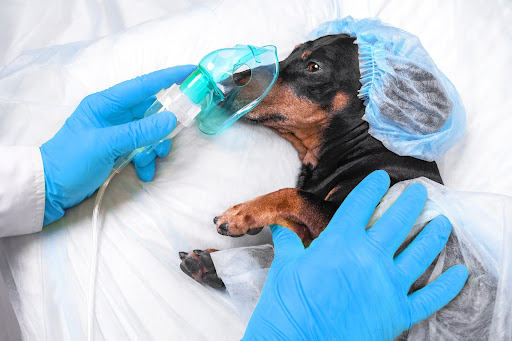
How To Prepare for Your Pet’s Surgery


Surgery can be extremely scary and stressful, even for the most prepared of patients. While there are many ways to help you and your loved ones prepare for a surgery, not everyone knows there are some great tactics to also help your pet prepare for (and recover from) a surgery. Ignorance may be bliss and knowing that your pet doesn’t have the anxiety that us humans do going into it can help give you peace of mind, but once they arrive the fear could kick in. Keep reading to learn some of the best tips and tricks to help prepare you and your pet for their surgery.

The week and days leading up to the surgery


Prior to any surgery, your veterinarian will send you home with instructions on how to best prepare in the week / days leading up to the surgery. The week before the event, you should review these instructions again carefully to ensure you’re ready for all the necessary steps. Sometimes these instructions include extra tests that need to happen prior to your pet going under general anesthesia and sometimes they can be as simple as when and what to eat in the hours beforehand.


Make sure to ask your veterinarian about what to do the night before your pet’s surgery so you can prep them accordingly. Things to ask about specifically include whether they should take any medication, if there are any changes to exercise you should implement, or if there are any changes in eating or drinking (amount, type, or even the time to cut off altogether). Make sure that you are following these instructions carefully, so you set your pet up for success on surgery day.

Prep your home for post-op


Not only is it important to prep your pet for the surgery, but you will also want to use this time to prepare your home for the days following the procedure. If you have multiple pets or rowdy children, you’ll want to ensure the space is calm and separate from any distractions and disruptions that could negatively impact their healing process. If you have a lot of stairs in your home, it may be a good idea to use a baby gate to discourage your pet from traveling up and down, or to pick a room with a door that closes so you can monitor them carefully. Finally, you’ll want to make sure all bedding that they will use is clean and washed to help lower the risk of any infections.

When in doubt, consult your veterinarian


While the instructions your veterinarian sends with you prior to the surgery will likely have all the information you need, it can still be a nerve-wracking time and it’s important that you are well-equipped to help your furry friend prepare and recover for this stressful event. Ask your veterinarian any questions you have about the days leading up and the days following the surgery and you’ll feel much more confident that you are providing the best care possible.


If you have any questions or are ready to schedule an appointment with the Bregman Veterinary Group, click here to get started. Whether you need to spay or neuter your pet, are looking for a veterinarian for your new pet or simply need to change practices, we are here to help!