Wednesday, March 1, 2023

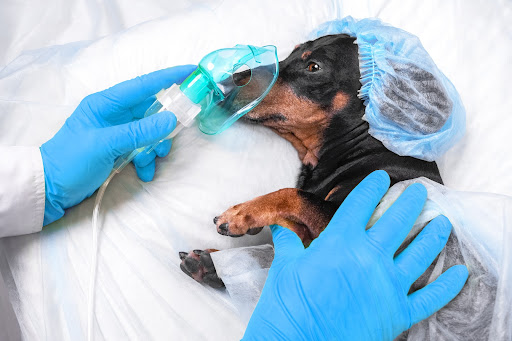
How To Prepare for Your Pet’s Surgery


Surgery can be extremely scary and stressful, even for the most prepared of patients. While there are many ways to help you and your loved ones prepare for a surgery, not everyone knows there are some great tactics to also help your pet prepare for (and recover from) a surgery. Ignorance may be bliss and knowing that your pet doesn’t have the anxiety that us humans do going into it can help give you peace of mind, but once they arrive the fear could kick in. Keep reading to learn some of the best tips and tricks to help prepare you and your pet for their surgery.

The week and days leading up to the surgery


Prior to any surgery, your veterinarian will send you home with instructions on how to best prepare in the week / days leading up to the surgery. The week before the event, you should review these instructions again carefully to ensure you’re ready for all the necessary steps. Sometimes these instructions include extra tests that need to happen prior to your pet going under general anesthesia and sometimes they can be as simple as when and what to eat in the hours beforehand.


Make sure to ask your veterinarian about what to do the night before your pet’s surgery so you can prep them accordingly. Things to ask about specifically include whether they should take any medication, if there are any changes to exercise you should implement, or if there are any changes in eating or drinking (amount, type, or even the time to cut off altogether). Make sure that you are following these instructions carefully, so you set your pet up for success on surgery day.

Prep your home for post-op


Not only is it important to prep your pet for the surgery, but you will also want to use this time to prepare your home for the days following the procedure. If you have multiple pets or rowdy children, you’ll want to ensure the space is calm and separate from any distractions and disruptions that could negatively impact their healing process. If you have a lot of stairs in your home, it may be a good idea to use a baby gate to discourage your pet from traveling up and down, or to pick a room with a door that closes so you can monitor them carefully. Finally, you’ll want to make sure all bedding that they will use is clean and washed to help lower the risk of any infections.

When in doubt, consult your veterinarian


While the instructions your veterinarian sends with you prior to the surgery will likely have all the information you need, it can still be a nerve-wracking time and it’s important that you are well-equipped to help your furry friend prepare and recover for this stressful event. Ask your veterinarian any questions you have about the days leading up and the days following the surgery and you’ll feel much more confident that you are providing the best care possible.


If you have any questions or are ready to schedule an appointment with the Bregman Veterinary Group, click here to get started. Whether you need to spay or neuter your pet, are looking for a veterinarian for your new pet or simply need to change practices, we are here to help!

Friday, February 10, 2023

How Long Can You Safely Leave a Cat Alone?


It’s no secret that cats are independent creatures who love their alone time. While giving your feline best friend the space they need to enjoy peace and quiet can be a great practice at home, it’s important to know the difference between what amount of time alone is healthy and when it becomes too much. With such busy lives it can become easy to get into a day-to-day routine that doesn’t allot much time to socialize with our cats. Keep reading to learn what a good limit is and how that limit can fluctuate from cat to cat so you can make an informed and healthy decision for you and your furry pet.

The exact timing depends on age and circumstances


While most felines are comfortable being left alone for long stretches of time (like 8 hours while you are at work) the maximum amount of time that your adult cat might be able to be alone is up to 24 hours. Whenever you have frequent periods of time where you are not home, keep in mind that this can be disruptive to a cat, and they can become anxious and troubled easily and it’s definitely important that you don’t leave them alone for days on end.

Even though adult cats are much more self-sufficient during the day, you should err on the side of caution with kittens who shouldn’t be left alone for more than a couple of hours at a time. Remember that kittens need much more care and contact, especially given that they are adjusting to a new environment.

How to keep your cat comfortable while alone


It’s critical that you have fresh water available and maintain a feeding schedule even if you can’t be physically present. This may mean having a neighbor or friend come in at a certain time to fill their bowls. Another way to make sure they are comfortable in your absence is to leave them with a cozy spot to cuddle up and a clean litter box. With space to move around the house and zones for food, water, and sleep that they are familiar with, they will be much better off fending for themselves while you are out.

How to approach socializing with kittens


While these tips and tricks are great for adult cats, creating a socializing plan for new kittens from early on takes a bit more planning. In fact, the AVMA recommends that all new kitten owners should spend the time planning ahead to help their new pet develop a calm and confident temperament that will help them enjoy life to the fullest. This socialization plan should include important things including a timeline and strategy for exposing your new pet to other animals, a plan for rewarding engagement and discouraging naughty behaviors, and for positive and diverse experiences so they can be more confident each time.


Once you follow these tips and take your time to gradually earn your cat's trust and have established a good routine for alone time and socializing, you’ll be much more confident that you’re making healthy decisions for your four-legged best friend. If you have any questions or are ready to schedule an appointment with the Bregman Veterinary Group, click here to get started!

Monday, January 2, 2023

Top 3 Training Tips When Adopting Older Dogs


There are thousands of blogs, articles, and books related to training your new puppy, and many people believe it is arguably much easier to train a brand-new pup over an older one. The saying “you can’t teach an old dog new tricks” is widely believed and many dog owners are anxious about the process of training older dogs but adopting an older dog and giving them a safe and loving home is also one of the most rewarding things you can do.


While it may take more patience and trial and error than with a puppy, there are some great training tips and tricks to follow when adopting older dogs that will make the process much more seamless for both you and your new best friend.


Set up a training schedule


If you establish a training schedule early on when bringing your dog home, you are signaling that there is a predictable routine that can be counted on and your canine friend will adapt much more quickly. Schedule things as best as you can based on your calendar including meals, potty breaks, and bedtime. If you can, try and also plan exercise times and training sessions at roughly the same time each day so these concepts can click faster for your dog.


Use positive reinforcement


Pups feed off our energies, both good and bad, and if you are encouraging and excited each time that they respond to commands or show signs of understanding and listening, they will feel that positive energy. Training treats that are small are also great tools to help positively reinforce great behaviors and habits. Reward and praise are key for keeping it fun and help you both make progress. 


Rather than scolding and yelling when your pup has an accident inside, try to give lots of praise right after they go to the bathroom outside. The goal is to have your new dog connect the praise to the action, so they establish positive habits.


Approach new skills as you would a puppy


Older dogs don’t just need to be taught when and where to use the bathroom and where to eat, they are also great students for new skills just like puppies but may need a little more practice and patience. A great trick like “shake” is a good place to start, and you should follow the same steps as you would a puppy including going through the motions of sitting, showing them the treat in your hand, closing your fist, and having them paw at the treat, essentially giving you a handshake!


Consult your veterinarian


It’s important to note that even if you try all these tips and tricks, the process may be slow based on your pup’s old habits and experiences. Patience is key when it comes to training older dogs and your veterinarian is a great resource to help you navigate this new process. Practice often and reward good behavior for the best chances of establishing good behaviors quickly and remember, establishing a routine at home is beneficial for both you and your new pet. 


If you are looking to schedule an appointment with the Bregman Veterinary Group, for your new pup or are seeking advice on how to best train your older dog that is already a patient, click here to get started!


Tuesday, December 6, 2022

What Factors to Consider When Buying a Pet for Your Kids


A new pet is one of the most popular gifts for young children every year around the holidays, and never fails to bring a smile to their faces. While tiny animals are adorable and are great additions to the family, it’s important to select an animal that fits with your lifestyle and is a great fit for young children. While it might not be in your best interest to get a pony or even a brand-new puppy with a lot of energy, there are plenty of animals that make great pets, for kids of all ages!

The AVMA said it best: when you choose a pet, you accept responsibility for the health and welfare of another living thing. You’re making a promise to care for your pet for his/her entire life. You also become responsible for your pet’s impact on your family, friends, and community. Keep reading to learn a few tips and tricks so you can choose the best pet for your family.

Consider the costs associated


It’s so important that you consider your lifestyle, availability, and the time commitment necessary, so this is a successful transition for both you and your new pet. First, consider the costs of taking care of this new pet. From food, toys, and housing to veterinary bills and annual care, you’ll want to factor all of these expenses into your budget to ensure you can take on this new responsibility.

Take note of the time you have available


Another important thing to analyze is the amount of time you have available in order to care for this new animal. If you work long hours or are often out of the house / travel, you will not want to purchase an animal that needs frequent walks and attention. Exercise, play, and establishing routines are all very important, especially to young pets, and you’ll want to make sure you have enough time to devote to helping your pet adjust to their new environment.

Think about the life span


Kids can get very attached to their pets, so you will need to consider your child’s emotional attachment when choosing pets for kids. Research the life span of the pet you’re considering adding to the family and think through how this will affect your kids (from young children to older teens). Keep in mind that if you have older kids, once they leave for college or work, you may have to become the sole provider for your family pet.

Consider your child’s age


There are so many popular pets beyond just dogs and cats that you may want to consider adding to the family. Pet MD has a great list of best pets for kids broken out by age with parakeets and crested geckos recommended for children ages 4-7 and rabbits, cats, dogs, and bearded dragons recommended for kids aged 12-15.

Still not sure? Consult your veterinarian


If you are still unsure if the pet you are considering is right for your family, the best advice we can give is to consult your veterinarian. Our team at the Bregman Veterinary Group is happy to help you provide the best care for your pet to ensure a healthy life and this can include giving you a better understanding of a potential pet’s needs and how they may or may not be compatible with your family’s lifestyle. To learn more or to schedule an appointment, click here to get started!

Thursday, November 3, 2022

Top Holiday Foods that are Bad for Dogs


Top Holiday Foods that are Bad for Dogs


The holidays are right around the corner and one of the main things everyone looks forward to is amazing holiday meals. From turkey with gravy and mashed potatoes to pumpkin pie and green bean casserole, there are so many classics that return to the dinner table in December. While family gatherings and amazing meals are awesome opportunities to unwind and indulge this holiday season for you, it’s important that your dog doesn’t also have a seat at the table.

It may feel natural to give your dog extra treats and want to share some of the delicious food, but there are a few holiday foods that can be dangerous for pups. Nothing can turn a great holiday gathering from fun to scary like an emergency trip to the vet clinic so keep reading to learn about a few top holiday foods that are bad for dogs. The more you know about what is safe for your canine best friend to eat, the better equipped you can be to share a few small things that are okay for them to eat this holiday season.

Sweets, chocolates, and baked goods


Chocolate tends to be an essential part of the holidays for many people, but it’s important to note that it is toxic to dogs and cats, states the AVMA. Although the toxicity can vary based on the type of chocolate, the size of your pet, and the amount they ate, it's safer to consider all chocolate off limits for pets. As a rule of thumb, you should also avoid any sweets and baked goods due to them being too rich for dogs and often being filled with high amounts of artificial sweeteners which have been linked to liver failure in dogs.

Bones


While it may feel natural to feed your dog a bone, the bones left behind after a meal at the holidays are not safe treats for your pup. Bones can splinter and easily become lodged in your pet’s throat or digestive system. This can result in serious injury which makes bones off limits for your pup, even if they are licking their lips smelling your delicious turkey.

Alcoholic beverages


Wine, cocktails, and beer are popular additions to the menu during the holiday season, but they can be extremely dangerous for dogs. Alcoholic beverages have the same effect on dogs’ livers and brains as on humans’, but it doesn’t take as much to cause serious damage since your pup is much smaller. Avoid sharing your beverage with your furry friend, and same goes for if you have a boozy side dish or dessert.

Garlic, onions, shallots, and chives


All members of the onion family (or close relatives) are amazing, tasty additions, often found in a wide variety of dishes on the table. From creamy garlic potato mashed potatoes to a garlic rubbed roasted turkey, they are flavor enhancers that we love, but unfortunately your dog will need to steer clear of. Eating only a small amount of these ingredients, regardless of whether they are cooked or raw, can cause gastrointestinal irritation and should therefore be avoided.

Foods that are okay to share


To avoid focusing solely on the bad foods, we pulled together a few options that are okay for you to share this holiday season. While any food you give your dog should be given in moderation and after careful consideration, the following holiday foods are great treats.

  • Plain potatoes or sweet potatoes (hold one to the side before you mash in all the yummy flavor additives!)
  • Plain peas
  • Turkey meat (avoid the bone or skin)
  • Apple slices

For a full list of foods to avoid, and holiday safety tips, click here for the AVMA winter holiday pet safety guide. If you have any questions or need any help from us here at the Bregman Veterinary Group, give us a call at (863) 588-4200 for Reunion Veterinary Hospital or (407) 545-7789 for the Veterinary Hospital of Celebration and a team member will gladly help!

Thursday, October 20, 2022

3 Tips for Traveling by Plane with Pets


3 Tips for Traveling by Plane with Pets


As so many people consider their pets part of their families, it’s easy to understand how they quickly can become travel companions. While traveling by car is by far the easiest route to travel with your pet, going long distances might make this tricky and many pet owners turn to booking air travel. Anyone who has ever flown a commercial airline has most likely seen a cat or dog in the airport along with their owners, but unless you have traveled with your pet by plane you may not be familiar with the best practices. Here are some of the top trips for traveling by plane with your pet.

Read the airlines regulations, thoroughly


All airlines have easily accessible information on their website regarding pet travel that helps you prepare ahead of time, so you know what to expect. These guidelines and requirements often include carry-on pet requirements, shipping options for large pets, and service dog rules as well as size limits for kennels and age requirements of the pet. Delta airlines has an easy to navigate webpage dedicated to just this that also includes their fee structure, how to book your pets ticket, and what to expect when you visit their Delta Sky Club®.

Purchase the appropriate carrier


It’s important that your carrier not only follows the rules and regulations of the airline you are flying, but also that it is comfortable and size appropriate for your pet. Since travel by air is often quite long (especially when you add the time from the entrance of one airport to the exit of the next) this is even more critical that there is appropriate space for your pet to be safe and sound. Even though most airlines will accept either hard-sided carriers or soft-sided carriers (which may be more comfortable for your pet), you will still want to do your homework as some soft-sided carriers are acceptable only to certain airlines.

Use direct flights when you can


While layovers can be annoying for humans, they can be even more stressful and exhausting for pets. It’s important to try and use direct flights whenever possible to avoid any possible delays and the extra stress of two boarding processes. Layovers can be unpredictable and add time to an already long journey, so it’s best to avoid when you can so your pet has the least amount of time in transit as possible.

Safety is paramount


While over 2 million pets and other live animals are transported by air every year in the United States, it’s important to remember that air transportation systems were not specifically designed for the carriage of animals. Prior to traveling, there are a few key people you should contact regarding your travel arrangements that the AVMA suggests. These people include your veterinarian, the airline or travel company, your accommodations (hotel, motel, etc.), the USDA (to learn about that state’s regulations) and the foreign consulate (for international travel).


If you have questions regarding traveling with your pet for this upcoming holiday season or simply need to schedule your next appointment with the Bregman Veterinary Group, all you have to do is click here to get started!

Tuesday, September 13, 2022

Poisonous Plants Every Cat Owner Should Avoid


Houseplants have always been a popular way to bring the outside in. These have become so popular recently that many attribute the COVID-19 pandemic as the driver for houseplant sales to go through the roof. In fact, recent studies show that 66% of all American households own at least one houseplant. With more people now having plants at home than ever before, so many people are taking advantage of this beautiful way to add some color and life to your indoor oasis.

While it’s easy to find indoor plants when shopping, it is not as easy to determine which ones are in fact safe for your four-legged family members. A lot of people now know that there are many plants that are actually dangerous for pets, so if you’re looking to buy a new plant for your home, it’s important you do your homework before making a purchase to ensure the plant is not poisonous to your cat or dog.

Most poisonous plants to cats

  • Below is the AVMA list of some of the most commonly grown greenery that should be kept away from plants.
  • Certain types of lilies (Lilium and Hemerocallis species) are highly toxic to cats, resulting in kidney failure — even if only small amounts are ingested.
  • Lily of the Valley, oleander, yew, foxglove, and kalanchoe may cause heart problems if ingested.
  • Sago palms (Cycas species) can cause severe intestinal problems, seizures and liver damage, especially if the nut portion of the plant is consumed.
  • Azaleas, rhododendrons and tulip/narcissus bulbs can cause intestinal upset, weakness, depression, heart problems, coma and death.
  • Castor beans can cause severe intestinal problems, seizures, coma, and death. Other plants that can cause intestinal upset include cyclamen, amaryllis, chrysanthemums, pothos, English ivy, philodendron, corn plant, mother-in-law’s tongue, hibiscus, hydrangea, peace lily and schefflera/schefflera.
  • Rhubarb leaves and shamrock contain substances that can produce kidney failure.
  • Fungi, such as certain types of mushrooms, can cause liver damage or other illnesses.

Another great resource for determining poisonous plants for pets is the ASPCA toxic and non-toxic plants list.

Other plants to be aware of


While plants like those listed above are important to avoid as part of your interior décor, there are also some flowers you will want to steer clear of. These include common flowers like daffodils, tulips, lilies, azaleas, and chrysanthemums. These vibrant flowers can add pops of color to your tables and bouquets but can also be dangerous if your cats get too close.

Signs your cat has been poisoned by a plant


Even if you do your due diligence to avoid poisonous plants inside your home, some may sneak in through seasonal bouquets or your cat may become exposed if they venture outside. While it may be hard to determine which part of the plant is toxic to cats, it’s safer to assume that all parts of it are poisonous, even if some parts may contain higher concentrations of a toxin. Some symptoms to keep an eye out for include vomiting, diarrhea, lethargy, weakness, labored breathing, depression, appetite loss, and more.

If you notice any of these signs or symptoms, it’s important that you take swift action and contact your veterinarian. Immediate care includes removing any plant material that you may find from your cat’s mouth, skin, and coat, keeping them confined and closely monitored, and contacting your veterinary office and either the pet poison helpline at 855-764-7661 or animal poison control at 888-426-4435.

Keep in mind that giving the name of the plant your cat potentially (or did) ingest is very important, so even if you don’t know what it is, bringing a sample with you in a Ziplock bag to your veterinarian’s office could make a difference. If you are ready to schedule your next vet appointment at the Bregman Veterinary Group, reach out to our team today.